Begin with the party’s different days
Before comparing properties, describe how each person would like to spend an ordinary day. One angler may want a dawn session and a late breakfast. A companion may prefer an unhurried morning, a walk and a long lunch. Children may need predictable meals and space away from the water. These patterns are not competing luxuries; they are the design brief for the stay.
Ask whether the accommodation supports those rhythms. A bedroom beside the main entrance may be disturbed by early departures. A shared kitchen can work well if people have somewhere else to sit. Separate living areas may be more useful than an additional decorative feature. A floor plan often reveals more than a sequence of closely framed room photographs.
Read capacity as a layout, not a headline
“Sleeps eight” does not explain bed types, privacy or bathroom access. Confirm which rooms are proper bedrooms, whether any bed is in a through-room and whether bathrooms are en suite or shared. Ask about stairs, low ceilings, internal steps and the route to outdoor space. Where accessibility matters, describe the specific requirement rather than relying on the word “accessible”.
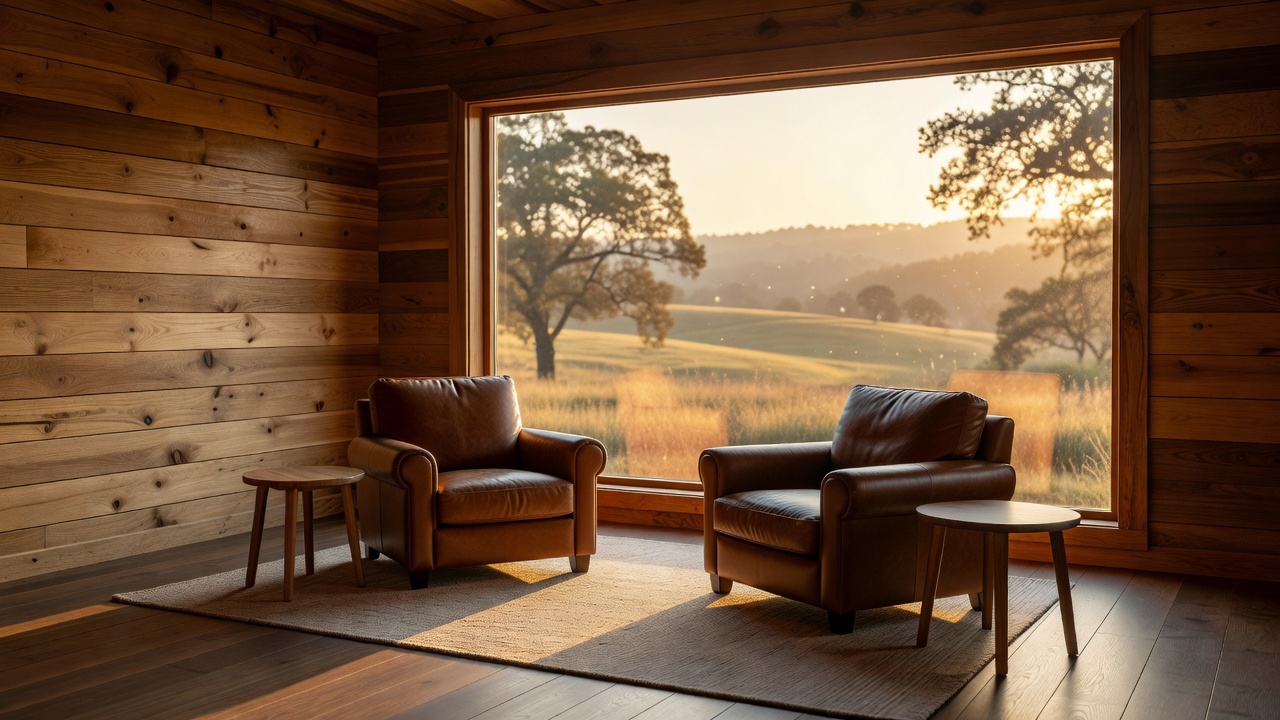
Consider sound, temperature and working space as well. An old stone house can be characterful without being acoustically private. A timber cabin may need a clear account of heating and ventilation. If somebody must work during the trip, ask about the actual connection available in the accommodation, not merely whether the estate advertises Wi-Fi somewhere on site.
Make food arrangements fit the fishing
Self-catering gives flexibility only if shopping, storage and cooking are practical. Establish arrival-day options, delivery access and the distance to useful shops. If catering is provided, check service times and whether early breakfasts or delayed meals are possible. Dietary requirements should be agreed with the person preparing the food, not left in a general booking note that may be overlooked.
Keep the distinction between hospitality and fishery facilities clear. A freezer offered for food is not necessarily available for bait. A barbecue does not imply permission to cook a retained fish. Any connection between a catch and a meal must follow the fishery’s rules and applicable law. Catch-and-release water should never be presented as a source of dinner.
Give companions a credible alternative day
A list of regional attractions can make a remote property appear more convenient than it is. Check opening days, the journey from the actual entrance and whether everybody will have transport. If one car is tied up with an angler, a nearby town may not be a realistic independent outing. Ask about safe walking routes rather than assuming estate tracks are open for recreational access.
- Is there a comfortable place to read without fishing equipment passing through?
- Can a companion take a signed or clearly explained walk without crossing active casting positions?
- Are advertised spa, pool or activity facilities on site, included and open during the stay?
- Does the property remain appealing in prolonged rain?
There is no need for every estate to offer every activity. The important thing is that the actual choices match the party. A quiet house with honest limitations may be a better fit than a complex with a long but conditional amenities list.
Take waterside accommodation seriously
A lake view can come with direct access to deep water. Families and guests with particular supervision needs should ask about boundaries, doors, paths and the distance from living spaces to the bank. Do not assume that a hedge is a barrier or that a photograph shows every possible route. The RNLI’s general water-safety resources are useful context, but they cannot assess an individual property.
Pets also change the practical picture. Confirm where dogs may go, whether they must be on a lead and how the rules interact with livestock, wildlife and fishing areas. An estate that accepts dogs in one cottage may not allow them beside the lake. Obtain the actual terms, including cleaning charges and any areas that are excluded.
Plan for a holiday without fishing
Weather, water conditions and maintenance can interrupt access. Discuss what the party would do if the lake were unavailable for part of the stay. This is not pessimism; it is a test of whether the accommodation earns its place in the decision. A comfortable base, appealing surroundings and workable meals can preserve much of a holiday, but they do not erase contractual questions about an unavailable paid service.
Before booking, put the room allocation, included facilities, access needs and important arrangements into one written summary. Ask the operator to correct it. That simple step exposes assumptions while changes are still possible and makes the shared holiday less dependent on the most enthusiastic angler’s interpretation of the brochure.